 Max Super Speciality Hospital Dwarka, Delhi
- BLK-Max Super Speciality Hospital Delhi


Leg Pain While Walking? It Could Be Peripheral Arterial Disease
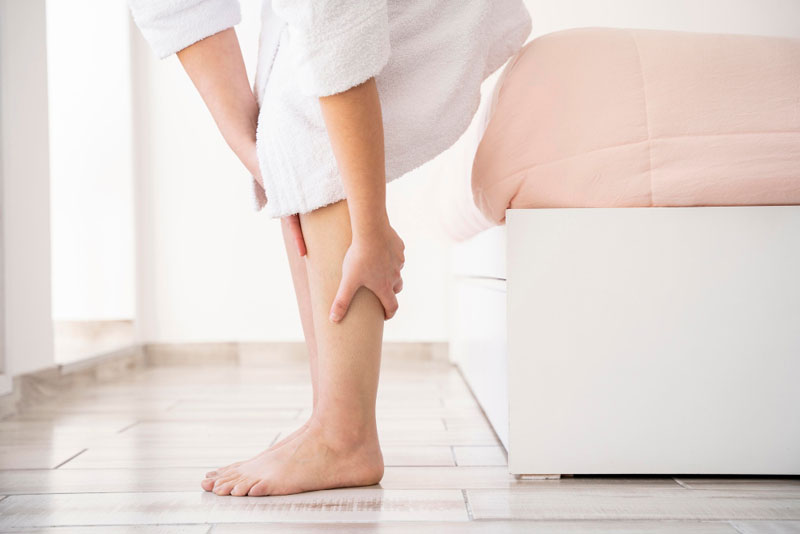
Leg pain or cramping while walking—also known as intermittent claudication—is one of the most common warning signs of Peripheral Arterial Disease (PAD). PAD occurs when the arteries supplying blood to the legs become narrowed or blocked, usually due to atherosclerosis. As a result, the muscles don’t get enough oxygen during physical activity, leading to pain that improves with rest. According to experts like Dr. Bhupesh Garg, early detection of PAD is crucial because it is not only a leg condition but also a strong indicator of underlying cardiovascular disease.
Common symptoms of PAD include heaviness in the legs, numbness, cold feet, slow-healing wounds, and skin color changes. Many patients mistake these signs for age-related weakness, delaying diagnosis until the disease becomes serious. Left untreated, PAD can progress to critical limb ischemia, causing severe pain, infections, and even risk of amputation. A simple Doppler test or Ankle-Brachial Index (ABI) test can confirm the condition accurately. Dr. Bhupesh Garg advises patients to seek medical evaluation early if they notice persistent leg discomfort or walking difficulty.
Treatment for Peripheral Arterial Disease focuses on restoring healthy blood flow and preventing complications. Lifestyle changes—such as quitting smoking, managing diabetes, and regular walking exercises—play a major role. Doctors may prescribe medications to improve circulation or prevent clot formation. In more advanced cases, minimally invasive procedures like angioplasty, stent placement, or atherectomy may be required to open blocked arteries. With timely diagnosis and the right treatment plan from specialists like Dr. Bhupesh Garg, patients can reduce pain, walk comfortably, and significantly improve their long-term vascular health.
Category: Peripheral Arterial Disease (PAD)
Recent Posts
Archives
Ready to Book Your Appointment?
Contact us today to schedule your visit and take the first step toward better vascular health.